Tag
14 articles
Wispr Flow offers superior voice dictation across multiple platforms, outperforming built-in tools. Users can try it free before subscribing.
Sandbar's voice-enabled ring aims to capture spontaneous thoughts and ideas, potentially avoiding the pitfalls that have plagued previous AI hardware entrants.
This article explains the technical foundations and implications of voice-activated AI wearables, focusing on how speech recognition, natural language processing, and edge AI work together to enable seamless, continuous data capture in compact devices.
Learn how to build a basic smart speaker interface using Python and Raspberry Pi, demonstrating the foundational technology that will power future devices like OpenAI's hockey-puck sized smart speaker.
Learn to set up and use three AI voice tools for coding: GitHub Copilot Voice (free), Dragon NaturallySpeaking, and Otter.ai. This tutorial teaches you how to configure voice recognition for efficient development workflows.
After testing leading AI voice tools, a writer identifies three top performers based on accuracy, privacy, and productivity. Google's Voice Typing, Apple's Dictation, and Microsoft's Dictate emerged as favorites from over 120,000 words of dictation.
Meta has patented an AI system that continuously listens to users' voices to track their mood and emotional state, raising both technological and privacy concerns.
Learn to build a voice-controlled AI assistant that mimics the functionality of camera-less smart glasses like Solos AirGo A6. This beginner-friendly tutorial covers voice recognition, text-to-speech conversion, and AI integration.
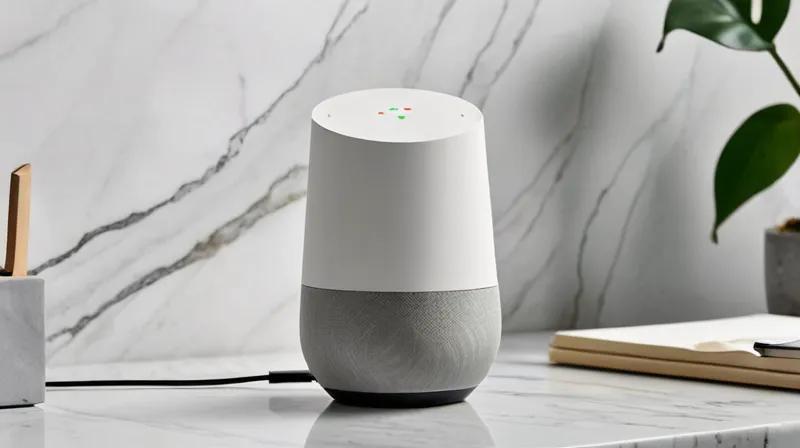
Google's new Home Speaker delivers excellent audio quality and design but faces challenges with its microphone sensitivity and voice recognition consistency.
Learn to build a basic voice-controlled assistant app that recognizes spoken commands and responds with text-to-speech output, demonstrating the core technology behind modern voice assistants.
Learn how smart home speakers work, from voice recognition to controlling other devices in your home. Understand the AI concepts behind these popular home assistants.
Google has quietly launched an offline-first dictation app using its Gemma AI models, positioning itself to compete with apps like Wispr Flow while emphasizing privacy and performance.